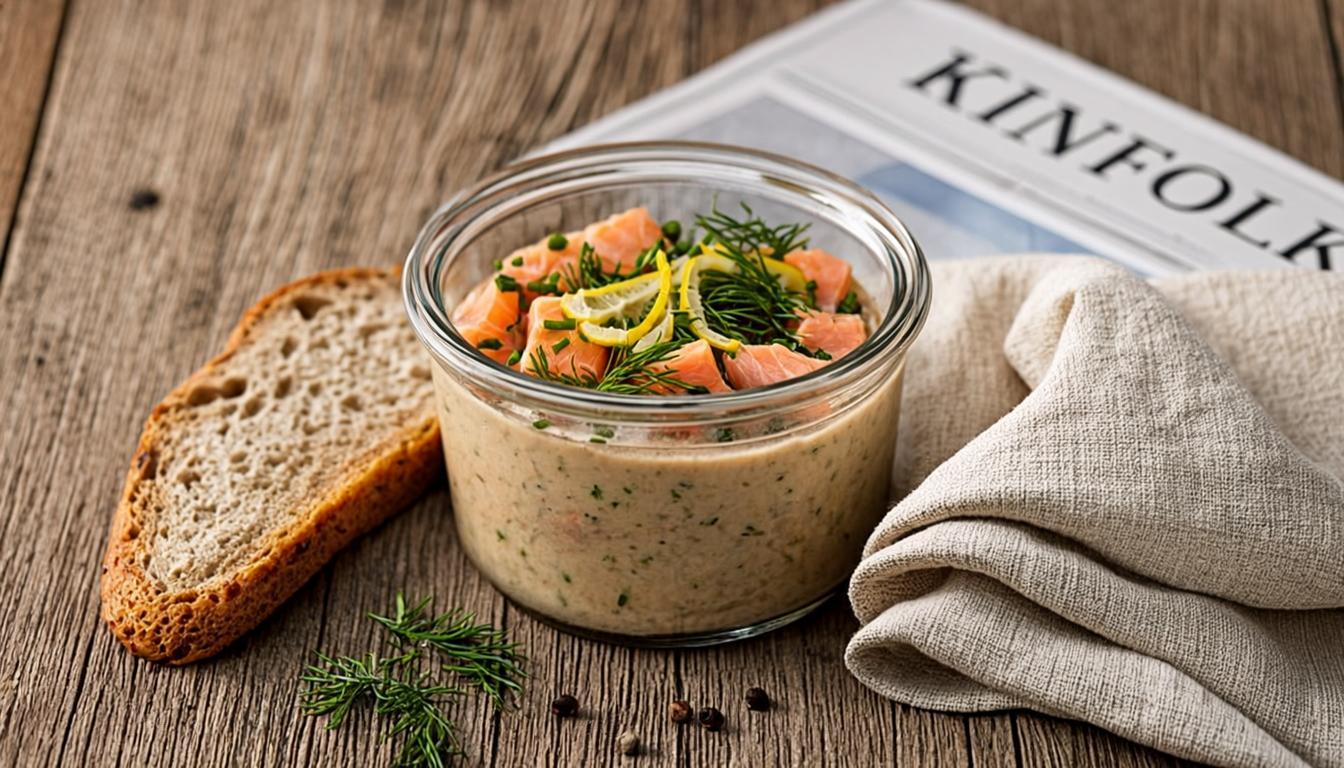
Rillettes Recipes: The New Spread Stars of Every Apéro Table
From silky salmon to hearty hummus tartinades, rillettes are the creamy, rustic spreads turning any snack into a gourmet moment.
8 min read | Serves 4–6 per recipe
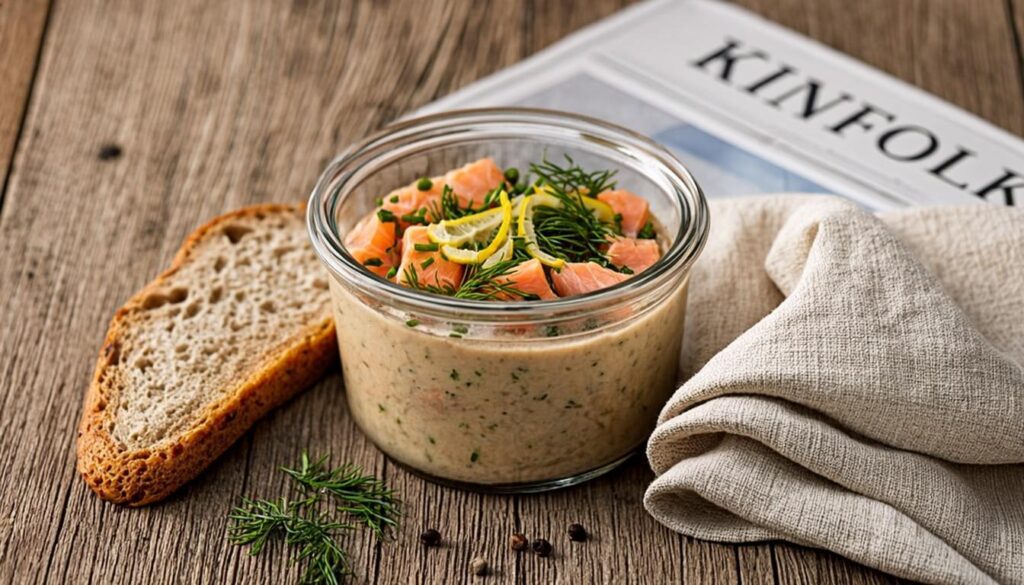
There is a quiet revolution happening on the appetizer table, and it comes in a small ceramic pot. For years, hummus and guacamole have dominated the dip bowl, but a new (and very old) category is reclaiming the spotlight: rillettes. Originally a French farmhouse technique for preserving pork in its own fat, the word now describes any slowly shredded or whipped spread — fish, poultry, legumes, even roasted vegetables — that you scoop up with crusty bread and a sense of occasion.
What makes rillettes so compelling is the texture. They are not silky-smooth like a mousse or dense like a pâté; they are rustic, layered, fork-tender, and unabashedly rich. A spoon dragged through a good rillette should leave soft peaks, not a flat smear. That is precisely why they pair so beautifully with something crisp and humble — a slice of toasted sourdough, a rye cracker, a shard of grissini — turning the simplest snack into a moment worth slowing down for.
For home cooks, rillettes are surprisingly forgiving. Most recipes rely on a low-and-slow cooking method, a generous hand with fat or olive oil, and a long rest in the fridge so the flavors can meld. For brands, they offer something even more valuable: a way to elevate an appetizer line without losing approachability. A luxe salmon rillette in a 4-ounce jar still feels like a treat you could pack for a picnic. Below are five recipes that show the range of this category — from a dinner-party salmon to a weeknight hummus tartinade — plus the pairing and storage know-how to make them shine.
“A good rillette is half cooking, half patience. The texture does the talking.”
1. Silky Salmon Rillettes
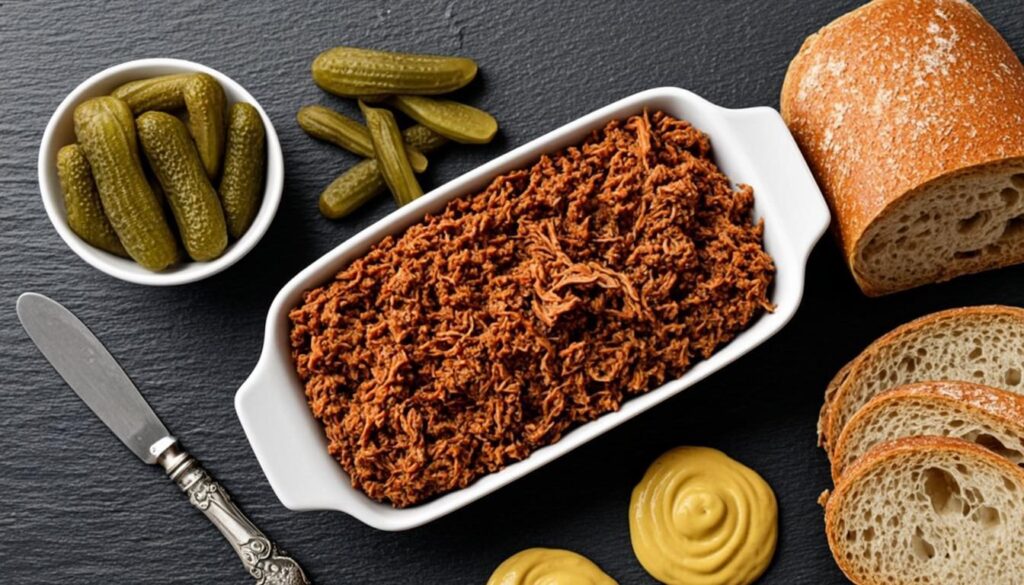
Silky Salmon Rillettes
Prep: 15 minCook: 10 minChill: 2 hYield: 1½ cups
Ingredients
- 8 oz (225 g) smoked salmon, finely chopped
- 4 oz (115 g) fresh salmon fillet, gently poached and flaked
- 4 oz (115 g) crème fraîche, cold
- 2 tbsp unsalted butter, softened
- 1 tbsp lemon zest + 1 tbsp fresh lemon juice
- 1 tbsp finely snipped chives
- 1 tsp Dijon mustard
- Sea salt, white pepper, a few grinds
- In a bowl, fold the smoked and poached salmon together with a fork — keep some texture; do not purée.
- Add crème fraîche, butter, lemon zest and juice, mustard, and chives. Fold gently until just combined.
- Season carefully — smoked salmon is already salty — then transfer to a jar and press plastic wrap directly onto the surface.
- Refrigerate at least 2 hours, ideally overnight. Serve with toasted sourdough and cucumber ribbons.
2. Classic French Pork Rillettes
This is the recipe that started it all — the kind you would find in a small pottery jar at a market stall in Le Mans. The trick is patience: a four-hour braise in the oven, then a patient shredding by hand or with a stand mixer paddle. The meat should literally fall apart into soft threads.
Slow-Cooked Pork Rillettes (Le Mans Style)
Prep: 20 minCook: 4 hChill: 24 hYield: 3 cups
Ingredients
- 1 lb (450 g) pork shoulder, trimmed and cut into 1-inch cubes
- 8 oz (225 g) pork belly, skin removed, cubed
- 1 small onion, quartered
- 3 garlic cloves, smashed
- 1 sprig fresh thyme, 2 bay leaves
- 1 tsp black peppercorns, 1 tsp sea salt
- ½ cup dry white wine
- Water as needed
- Heat oven to 275°F (135°C). Combine all ingredients in a heavy Dutch oven; add just enough water to barely cover.
- Cover tightly and braise for 4 hours, until the meat falls apart at the touch of a spoon.
- Strain, reserving the cooking liquid. Shred the meat finely with two forks or a stand mixer on low.
- Gradually beat in 3–4 tablespoons of the strained, melted cooking fat until the spread is glossy and scoopable.
- Pack into jars, pour a thin layer of fat on top to seal, and refrigerate 24 hours before serving.
3. Rustic Duck Rillettes
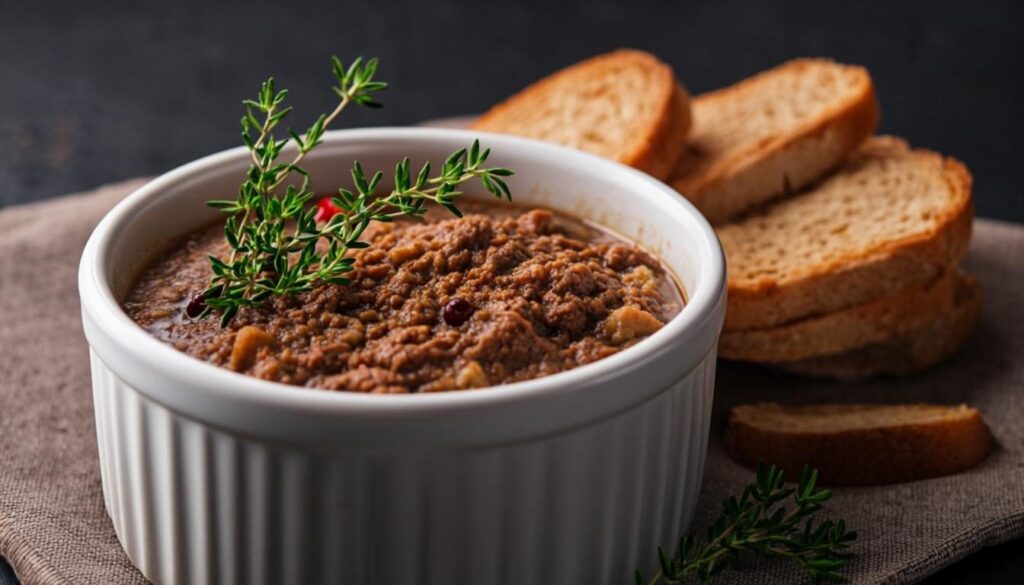
Duck rillettes walk a fine line between country rustic and dinner-party elegant. They are richer than pork, with a deeper, almost gamey backbone that begs for something bright and acidic on the side — cornichons, a spoonful of mostarda, a glass of Pinot Noir.
Duck Confit-Style Rillettes
Prep: 15 minCook: 3 hChill: 12 hYield: 2 cups
Ingredients
- 4 duck legs (about 2 lb / 900 g total)
- 2 tbsp coarse sea salt, 1 tsp black pepper
- 4 garlic cloves, 2 sprigs thyme, 1 bay leaf
- 1 cup duck fat (or substitute duck fat + olive oil)
- 1 tbsp armagnac or cognac (optional)
- 1 tsp pink peppercorns, crushed, for garnish
- Season duck legs with salt, pepper, and crushed garlic. Refrigerate uncovered 12–24 hours for a gentle cure.
- Rinse, pat dry, and submerge in melted duck fat with thyme and bay in a heavy pot. Cook at 250°F (120°C) for 3 hours, until the meat slides off the bone.
- Strain and reserve the fat. Shred the meat, discarding skin and bones.
- Beat in enough warm duck fat — about 4 tablespoons — to reach a spreadable consistency. Splash in armagnac.
- Press into ramekins, top with a thin layer of fat and pink peppercorns, and chill overnight.
4. Smoked Trout Rillettes with Horseradish
If salmon rillettes are the silk robe, trout rillettes are the everyday linen shirt — lighter, brighter, and faster to assemble. A touch of horseradish and crème fraîche keeps things clean and sharp, making this the version you reach for on a Tuesday night with a glass of crisp white wine.
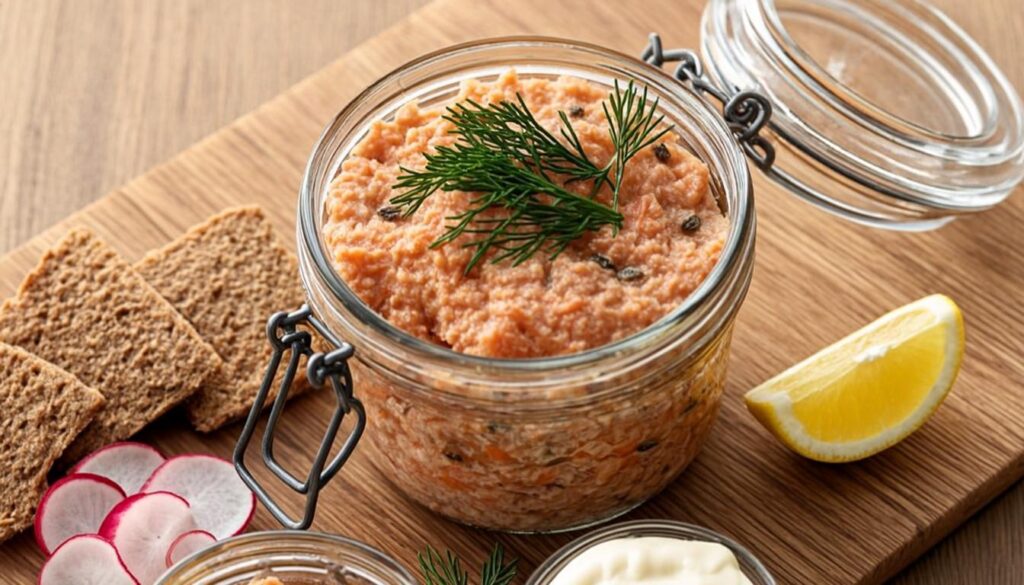
Smoked Trout Rillettes
Prep: 15 minCook: 0Chill: 1 hYield: 1½ cups
Ingredients
- 8 oz (225 g) smoked trout, flaked (skin and bones removed)
- 3 oz (85 g) cream cheese, softened
- 2 tbsp crème fraîche or Greek yogurt
- 1 tbsp prepared horseradish (or fresh grated to taste)
- 1 tbsp lemon juice + 1 tsp zest
- 1 tbsp capers, chopped
- 1 tbsp fresh dill, minced
- Salt and white pepper to taste
- Flake the trout into a bowl, removing any pin bones.
- Fold in cream cheese, crème fraîche, horseradish, lemon, capers, and dill. Keep it rustic.
- Season lightly — trout is already seasoned from smoking — and chill for an hour before serving with rye crackers.
5. Mediterranean Hummus Tartinade
Hummus tartinade is the bridge between the classic dip world and the rillette world. By reducing the tahini slightly, whipping the chickpeas longer, and finishing with a generous pour of olive oil and a dusting of za’atar, you get something thick enough to spread on a crostini without sliding off. It is the vegetarian answer to the rillette trend — and possibly the most popular one on an appetizer board.
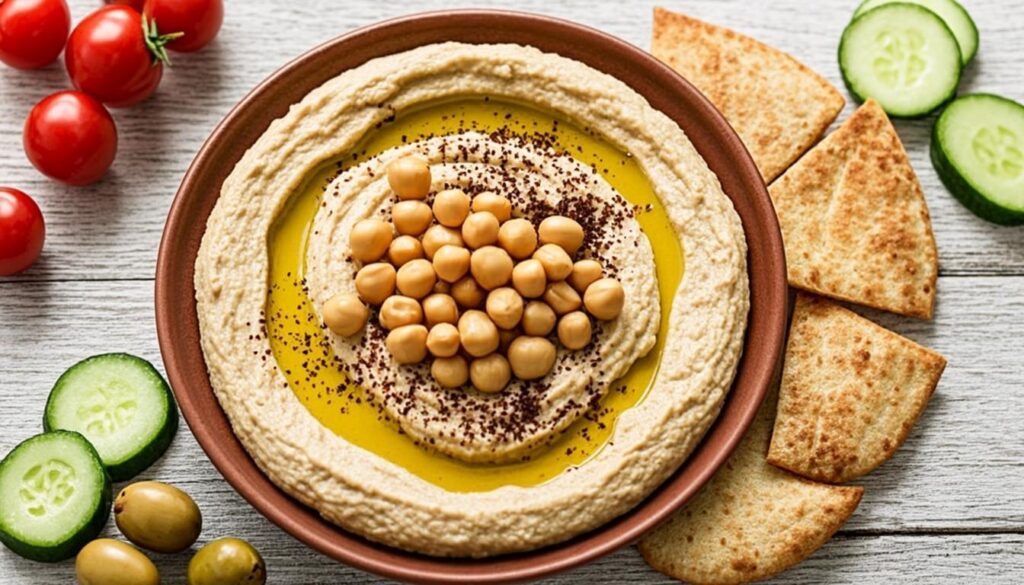
Hummus Tartinade with Za’atar
Prep: 10 minCook: 0Chill: 30 minYield: 2 cups
Ingredients
- 2 cans (15 oz / 425 g each) chickpeas, drained and peeled
- ⅓ cup tahini
- ¼ cup lemon juice + 2 tbsp ice water
- 2 small garlic cloves
- ½ tsp ground cumin, ½ tsp sea salt
- 3 tbsp extra-virgin olive oil, plus more for finishing
- 1 tbsp za’atar and 1 tsp sumac, for garnish
- Blend tahini, lemon juice, and ice water in a food processor for 1 minute until light and fluffy.
- Add chickpeas, garlic, cumin, and salt; process 3–4 minutes, scraping down often, until ultra-smooth and thick enough to hold a spoon upright.
- With the motor running, drizzle in olive oil. Taste and adjust salt and lemon.
- Spread onto a shallow plate, swirl with the back of a spoon, drizzle generously with olive oil, and dust with za’atar and sumac.
Pairing Tips: Bread, Wine, and Beyond
A rillette is only as good as its carrier. The cardinal rule is contrast: a soft, fatty spread wants something crisp, structured, and slightly tangy. For pork and duck rillettes, reach for a thick slice of toasted levain or a country sourdough with a serious crust. The acidity of the fermentation cuts through the richness in a way no soft white bread ever could. Cornichons, pickled onions, and a smear of strong mustard complete the classic French presentation.
Fish rillettes are more delicate and want a quieter partner. Rye crisps, sliced cucumber, or a thin cracker let the salmon and trout shine. For wine, think bright and acidic: a Sancerre, Muscadet, or dry Riesling for salmon and trout; a chilled Beaujolais or Pinot Noir for pork and duck. The hummus tartinade, finally, is happiest with warm pita, olives, and a glass of dry rosé or an orange wine — something with enough texture to stand up to tahini without overwhelming it.
Storage & Make-Ahead Notes
Rillettes are a gift to the make-ahead cook. In fact, they require it — a 24-hour rest in the fridge lets the flavors marry and the texture set. Pork and duck rillettes will keep for up to three weeks in the refrigerator as long as the fat seal on top remains intact; once you break through, press plastic wrap directly onto the surface and use within 10 days. Fish rillettes are best within 3–4 days, and the hummus tartinade is at its peak in the first 48 hours, when the garlic and lemon are still bright.
You can also freeze pork and duck rillettes for up to two months in airtight containers. Defrost overnight in the fridge, give them a quick stir, and they will be ready for the next impromptu apéro. Fish rillettes do not freeze well — the texture turns grainy — and hummus is best made fresh.
Brand Spotlight: Elevating the Appetizer Line
For food brands, the rillette category is a rare sweet spot — luxe enough to command a premium price, approachable enough to live in the everyday fridge. Consumers are already trained to love spreads; rillettes simply upgrade the occasion. Three plays worth watching:
- Premium single-serve jars. A 3-oz glass pot of salmon or duck rillette, sealed with a fat cap, positions beautifully next to charcuterie and feels giftable.
- Plant-based rillettes. Mushroom-and-white-bean or smoked carrot rillettes capture the texture and ritual of the original while addressing flexitarian demand.
- Apéro kits. Pair a rillette with a small baguette slice, a tiny jar of cornichons, and a pairing-wine card — a turnkey gourmet moment that travels well for picnics and gifts.
The brands that win this trend will not be the ones shouting “luxury.” They will be the ones that quietly deliver the texture, the small ritual of opening a jar, and the warm, shareable moment that follows.
Rillettes Recipes: The Ultimate Guide to Authentic French Spreads for Every Apéro Table
Discover the irresistible charm of homemade French rillettes with this easy collection of classic and modern recipes. Learn how to make rich pork, duck, salmon, chicken, and vegetarian rillettes that are perfect for spreading on crusty bread, crackers, or toasted baguettes. Complete with serving tips, flavor variations, and entertaining ideas, these recipes will become the stars of every apéro table.
Type: Appetizer
Cuisine: French
Recipe Yield: 8 servings
Calories: 320 kcal
Preparation Time: PT20M
Cooking Time: PT3H
Total Time: PT3H20M
Recipe Ingredients:
- 2 lb (900 g) pork shoulder, cut into large cubes
- 8 oz (225 g) pork belly, diced
- 1 medium onion, quartered
- 4 garlic cloves, crushed
- 2 bay leaves
- 4 sprigs fresh thyme
- 2 tsp kosher salt
- 1 tsp freshly ground black pepper
- ½ tsp ground white pepper
- ¼ tsp ground nutmeg (optional)
- 1 cup (240 ml) dry white wine
- 1 cup (240 ml) chicken stock
- 2–4 tbsp rendered pork fat (or melted unsalted butter), as needed
- Fresh parsley, finely chopped (optional, for garnish)
- Cornichons (optional, for serving)
- Toasted baguette slices or crackers, for serving
4.9