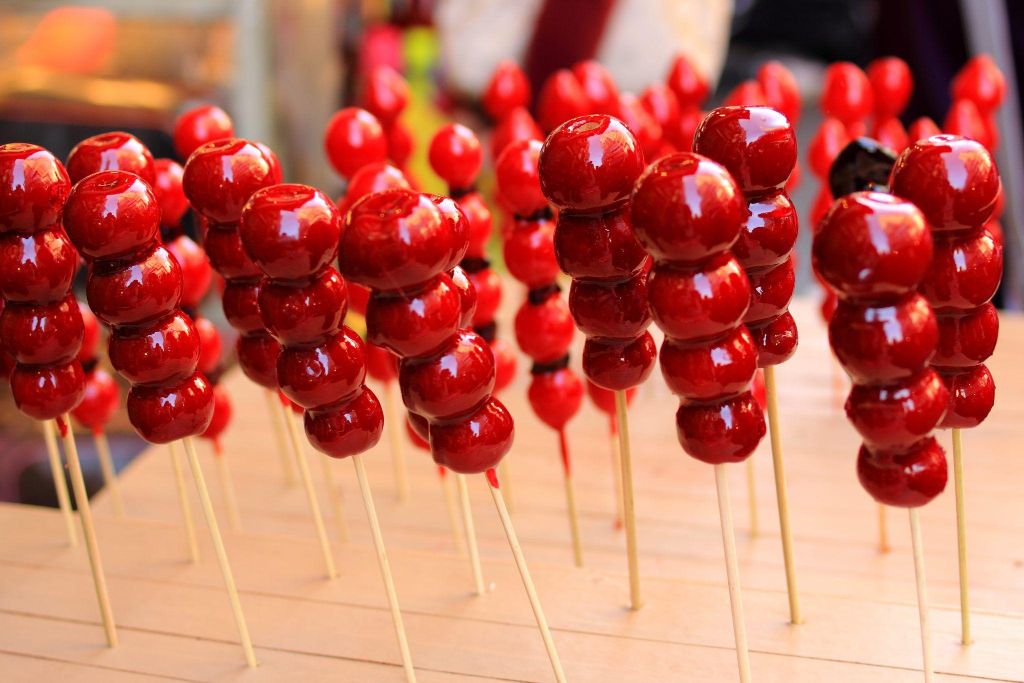
7-Minute Crispy Tanghulu Recipe: Sweet & Crunchy Candied Fruit Skewers
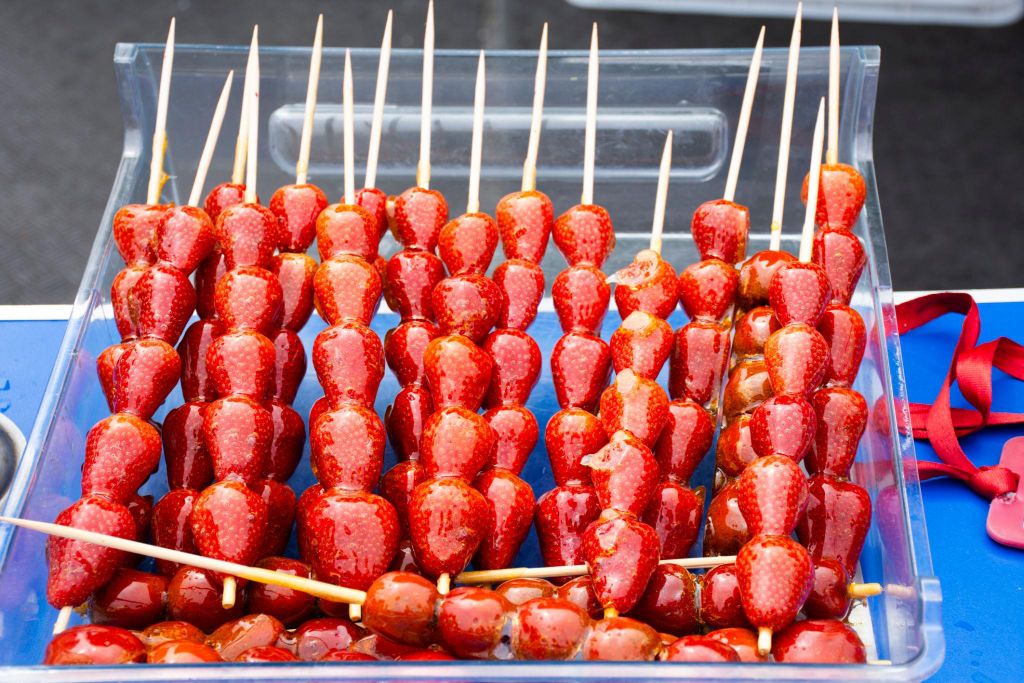
A crackly glass shell. Cold, juicy fruit. All in under seven minutes.
By dazzlingrecipe · Published June 2026 · Reading time: ~9 minutes
What’s Inside
- The Magic in a Single Bite
- A Sweet Slice of Imperial History
- The Science Behind That Magical Crack
- What You’ll Need
- Choosing Your Fruit Like a Pro
- Step-by-Step: The 7-Minute Method
- Troubleshooting: Why Your Sugar Turned Cloudy
- Creative Tanghulu Variations
- Serving, Storing & Savoring
- Frequently Asked Questions
- Your Turn to Shine
The Magic in a Single Bite
There is a very specific sound that signals you have made perfect Tanghulu. It is the sound of a thin glass shell surrendering — a faint, bright crack that breaks the silence just before cold strawberry juice spills across your tongue. That crack is the entire point of this recipe. It is the difference between a sweet fruit on a stick and a truly memorable experience.
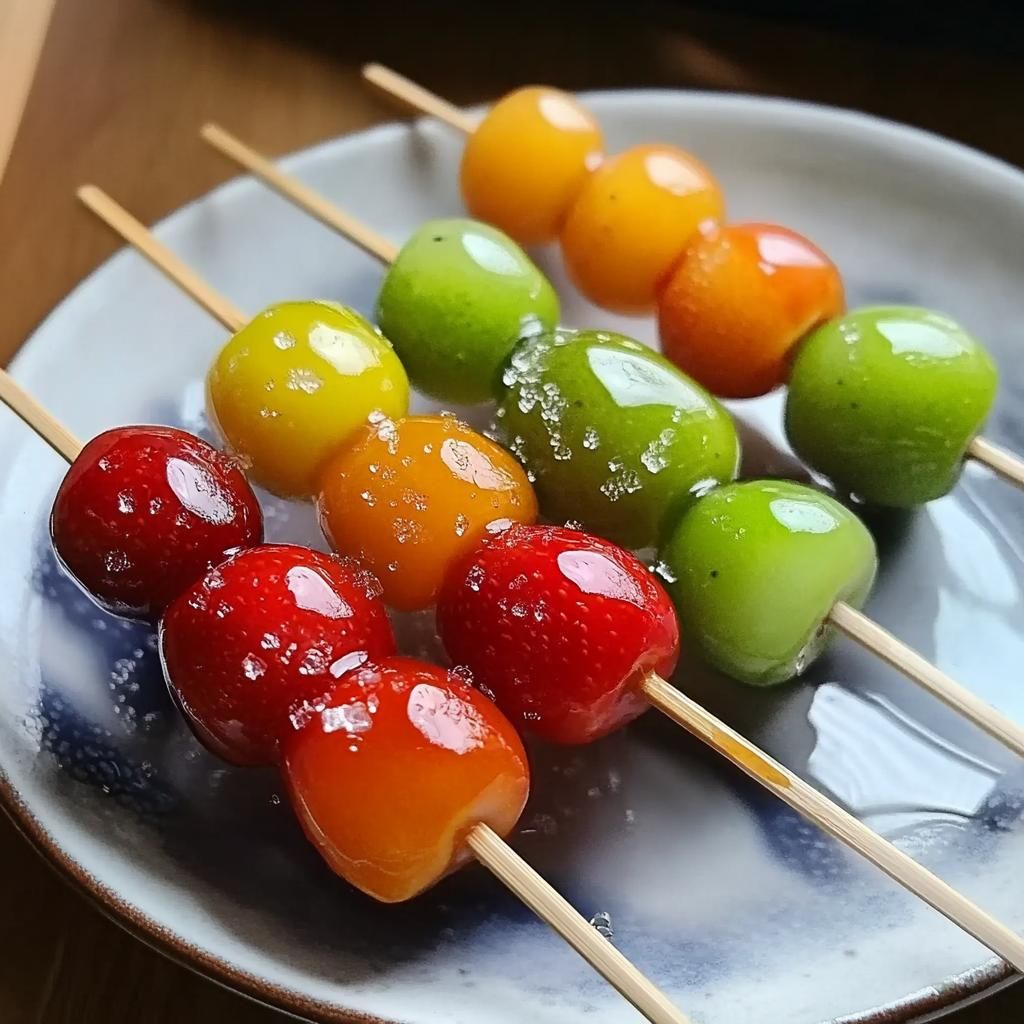
If you have only ever tasted Tanghulu from a street vendor in Beijing, Chiang Mai, or Tokyo, you already know what we are chasing. If you haven’t, picture this: a bamboo skewer threaded with jewel-toned fruit — strawberries, grapes, mandarin segments — sealed in a thin lava-like layer of sugar that has cooled into something that looks, suspiciously, like stained glass. The shell is hard. Cold. Loud. But inside? Soft, cold, dripping with juice. The two textures meet, and for a moment, you understand why this snack has survived dynasties.
Here is the best part: you can make this at home, with three ingredients, in the time it takes to boil water. Once you master it, you will find yourself making it for friends, photographing it constantly, and inventing new fruit combinations every weekend. Welcome to Tanghulu.
A Sweet Slice of Imperial History
This isn’t a TikTok invention. Tanghulu has been charming people for nearly 800 years.
Tanghulu’s story begins, fittingly, with a sick emperor. Most historians trace the treat to the Southern Song Dynasty (1127–1279 AD), when one of the emperor’s favorite concubines fell ill. A doctor prescribed hawthorn fruit, which was believed to aid digestion. The story goes that the emperor was so worried about her health that he ordered the court cooks to find a way to make the sour berries more palatable. Someone — perhaps a cook, perhaps a clever street vendor from Shandong — came up with the idea of skewering the fruit and dipping it in molten sugar. The concubine recovered. The emperor was delighted. Tanghulu (糖葫芦, literally “sugar gourd” or “sugar hawthorn”) was born.
By the Ming and Qing dynasties, the treat had escaped palace walls and was being sold by street vendors on cold winter mornings in Beijing. There is something quietly poetic about that: a food invented for a sick woman in a warm palace eventually became the unofficial snack of a city bundled up against the cold. The sugar shell, after all, serves a practical purpose — it insulates the fruit from freezing air, allowing vendors to walk the streets for hours without spoilage.
From there, Tanghulu traveled. Korean cooks adopted it as poached sugared fruit (탕후루, tanghuru), where it became a K-drama favorite and triggered viral waves of home cooks across TikTok in 2022. Japanese home cooks serve it at summer festivals. And in the West, you’ll spot it at farmers markets and Chinese New Year celebrations, often transformed with new-world fruit — strawberries, blueberries, pineapple.
“A food invented to cure a queen became the cure for anyone with a sweet tooth and a cold afternoon.”
The Science Behind That Magical Crack
Before we touch a pan, let’s talk about what is actually happening in that saucepan — because understanding this is the difference between hoping your sugar sets up right and knowing it will.
When you dissolve granulated sugar in water and heat it, the syrup passes through a series of well-documented stages. Each one corresponds to a different concentration of sugar in the water, and therefore a different final texture when the syrup cools. Thread, soft ball, firm ball, soft crack, hard crack. We want hard crack — the final stage, at roughly 300°F (150°C), where the syrup contains so little water that the cooled sugar forms a brittle, glass-like sheet rather than a soft, chewy one.
Why does it crack instead of bend? At hard crack, the sugar-to-water ratio is so concentrated that, when cooled, sucrose molecules lock into a rigid crystalline lattice with very little water trapped inside. There is nowhere for the structure to flex. Stress releases as a clean break — and that’s the snap you hear.
Stir-free rule: Once the sugar is dissolved, don’t stir. Agitation introduces sugar crystals back into the syrup, which can seed a chain reaction called graining. Suddenly your glassy shell turns cloudy and grainy. This is the most common reason homemade Tanghulu looks dull instead of brilliant.
Humidity is the other silent villain. On a humid day, the syrup absorbs extra moisture from the air, and the final shell can stay tacky. Wait for a dry afternoon, or work indoors with good ventilation if you’re a stickler about gloss.
What You’ll Need
One of the great joys of this recipe is its short, honest ingredient list. You probably already own most of it.
Ingredients
| Fresh fruit — strawberries, grapes, mandarin segments, blueberries, kiwi, or hawthorn | 2 cups |
| Granulated white sugar | 2 cups |
| Filtered water | 1 cup |
| Wooden or bamboo skewers | 4–8 |
| Ice water (for testing the syrup) | 1 small bowl |
10 minPrep
7 minCook
17 minTotal
4–8Skewers
A few notes on the gear. A heavy-bottomed saucepan distributes heat evenly and is your best defense against hot spots that scorch the sugar. A candy thermometer is incredibly helpful but not essential — a small bowl of ice water works for the visual test (more on that below). And finally, parchment paper for cooling. Don’t substitute wax paper; the syrup is hot enough to fuse with it.
Choosing Your Fruit Like a Pro
You can use almost any firm fruit on Tanghulu, but not all fruit is created equal. The classic choice is hawthorn (山里红, shān lǐ hóng) — small, tart, intensely red berries that grow across northern China. Outside Asia, hawthorn is harder to find, so we lean on what’s available.
The all-stars
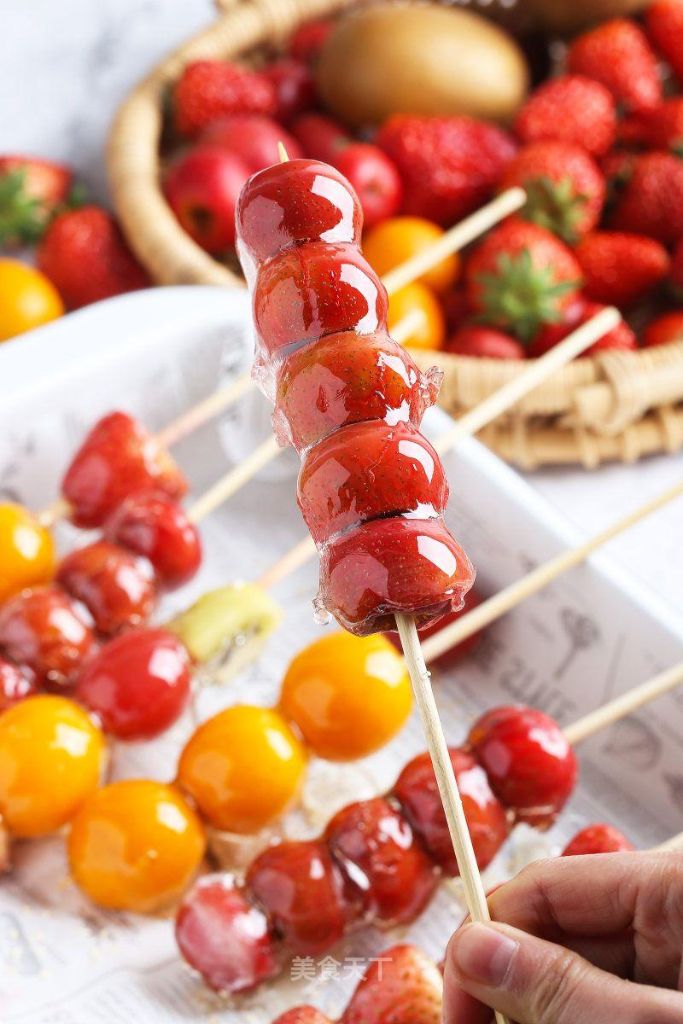
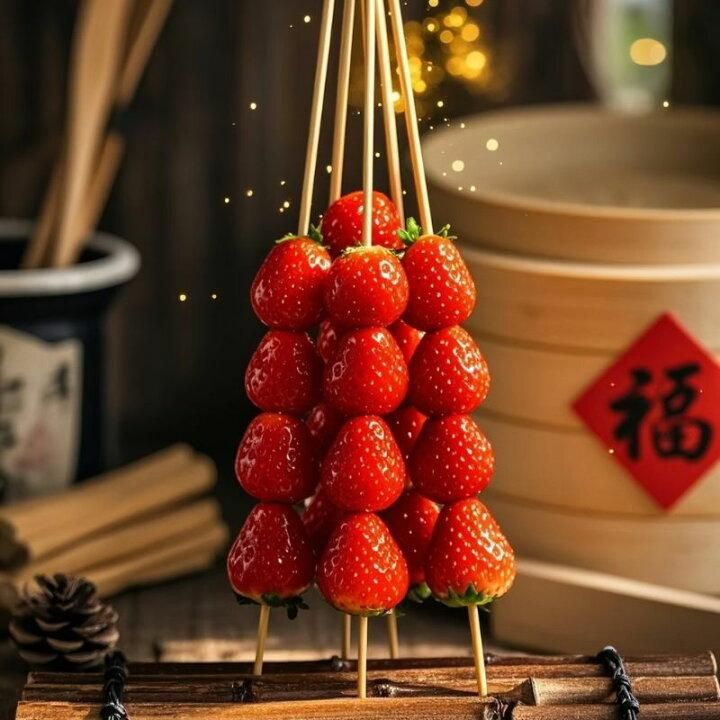
Strawberries. The Western default. Their conical shape slides beautifully onto skewers, their bright seeds give the finished shell incredible texture, and their juice is sweet enough to balance the sugar coating. Look for berries of equal size so they cook evenly.
Seedless grapes. Red or green, both work. Grapes give you the most photo-worthy version of all — the sugar shell turns them into tiny jeweled lanterns. Cold grapes also have the highest juice-to-fiber ratio of any fruit here, which makes that first bite feel almost effervescent.
Mandarin orange segments. Peeled, segmented, and gently patted dry — these are the kid-friendly version of Tanghulu. The citrus oils perfume the sugar shell in a way that’s hard to describe but instantly addictive.
Kiwi slices. The underrated underdog. Their tropical tartness pairs with sugar in a way almost no other fruit does.
Blueberries. Tiny, dramatic, and gorgeous.
The trickier picks
Banana is too soft — it splits, leaks, and turns the sugar brown. Watermelon releases water faster than the sugar can set. Pineapple works if you cut it into thick chunks and dry the surface thoroughly. Apple chunks are fine but release a lot of moisture — give them extra drying time.
The Dry Rule: Whatever fruit you choose, the single most important step before dipping is drying it. Any lingering water creates a barrier between fruit and syrup, and the sugar simply slides off. Pat fruit with paper towels, then air-dry on a rack for 10 minutes if you have the time.
Step-by-Step: The 7-Minute Method
Read this section once before you start. Once the syrup gets going, the whole thing moves fast.
Step 1 — Wash and dry the fruit
Rinse your fruit under cool water, then lay it on a clean kitchen towel or paper towels to dry completely. If you have a wire rack, use it — air circulation speeds drying. Pat again with fresh towels just before skewering. This step sounds pedantic. Skip it and watch your coating slide off.
Step 2 — Skewer
Thread 4–6 pieces of fruit per bamboo skewer. Leave a 2-inch handle at the bottom — you and your guests will thank you. If using strawberries, pierce them through the shoulder; for grapes, slide them along the skewer like beads. Avoid packing fruit too tightly; small gaps allow the syrup to flow around every surface.
Step 3 — Combine sugar and water
In a heavy-bottomed saucepan, combine 2 cups granulated sugar and 1 cup filtered water. Stir just until the sugar dissolves — about 30 seconds.
Step 4 — Cook to hard crack WITHOUT stirring
Heat over medium. From this point on, do not stir — just swirl the pan gently if needed. Clip your candy thermometer to the side of the pan. Cook until the syrup reaches 300°F (150°C). Don’t have a thermometer? Drop a tiny blob of syrup into ice water; if it hardens instantly into a brittle thread you can snap between your teeth, you’re ready.
Trusted batch targets: 7 to 10 minutes is typical from cold start to hard crack. If you’re at minute 12 and the thermometer still reads 240°F, nudge the heat up slightly. If you’ve hit 320°F, you’ve gone too far — pull the pan off the burner immediately; the sugar will keep climbing for another 10–15 seconds.
Step 5 — Dip with intention
Working one skewer at a time, dip the fruit into the hot syrup and rotate slowly to coat every surface. This should take about 2–3 seconds per skewer. Lift the skewer out and let the excess drip back into the pan for a heartbeat, then transfer to a parchment-lined tray.
Step 6 — Cool
Let the skewers rest on parchment for 2–3 minutes. You’ll hear them — quiet little tick-tick-tick sounds as the syrup contracts and hardens. That’s the music of a perfect Tanghulu.
Step 7 — Eat immediately
Serve within the hour for best texture. They will still be delicious at room temperature for several hours, but the absolute zenith is that first hour, when the sugar is glass and the fruit is ice-cold.
Troubleshooting: Why Your Sugar Turned Cloudy
Every home cook hits these walls — so let’s normalize them now and send them packing.
“My sugar crystallized into a grainy mess.”
Almost always a stirring issue. Once your sugar dissolved, particles on the spoon or the pan’s edge fell back into the syrup and “seeded” new crystals. Brush down the pan walls with a damp pastry brush before the syrup climbs too high. Use a clean spoon only during the initial dissolve.
“The coating looks dull, not glossy.”
Humidity is the usual suspect. Try again on a dry day, or run a dehumidifier in the kitchen. Drying the fruit more thoroughly also helps — any moisture trapped under the shell will turn the surface chalky on contact.
“The coating is sticky and never hardens.”
You didn’t quite reach hard crack. The thermometer should read 300°F/150°C; without one, your ice-water test should produce a brittle thread. Recook the syrup a few minutes longer.
“My sugar burned.”
Heat was too high, or you walked away. Sugar goes from caramel to scorched in about 20 seconds. Use medium heat, stay near the stove, and pull the pan off the burner the moment you hit your target temperature.
“The fruit slid off the stick.”
Likely too much moisture on the fruit, or you pierced the fruit too near its waxy skin (especially true for grapes). Pat dry, pierce through the meatiest part, and dry once more for good measure.
Creative Tanghulu Variations to Try
Once you have the basic technique down, Tanghulu becomes a playground. Here are some of our favorite riffs.
Stuffed Tanghulu
Halve strawberries and tuck a small dollop of sweetened red bean paste, Nutella, or even a marshmallow half inside before skewering. The hot sugar shell melts the filling just enough to become gooey and warm.
Spiced Sugar Shell
Add a pinch of ground ginger, cinnamon, or five-spice to the sugar-water mixture. The result tastes like a candied apple in late autumn.
Tanghulu Sundae
Break a few skewers into chunks and layer them over vanilla ice cream. The hot-cold contrast is dramatic; the contrast between crunchy sugar and creamy dairy is even better.
Edible Gifts
Wrap cooled skewers in cellophane with a small ribbon. They’re a gorgeous, inexpensive holiday gift — particularly at Lunar New Year, where their red color is symbolically lucky.
Pro tip for parties: Make bite-sized mini skewers (2 berries each) using cocktail picks. They look stunning on a board, and guests don’t have to commit to a full-sized portion.
Serving, Storing & Savoring
Tanghulu is not a make-ahead dessert. The sugar shell begins to weep moisture from the fruit within a few hours, and after 24 hours the shell softens to something chewier and less magical. Plan to serve within 4–6 hours for best quality.
If you must store them, leave them at cool room temperature on parchment, uncovered. Do not refrigerate — condensation will turn the glossy shell into a sticky, foggy mess. If your shell has gone slightly soft and tacky, you can briefly recrisp by holding the skewer under a fan for ten minutes; the forced air pulls moisture from the shell and restores a bit of snap.
Finally, a note on eating etiquette. Tanghulu is at its most pleasurable eaten outdoors or in cold weather. Vendors in Beijing sell them primarily in winter, when the sugar shell stays snappy longer and the cold makes the contrast feel almost theatrical. There is no shame in eating one in summer — it just means biting in faster.
Frequently Asked Questions
Can I make tanghulu ahead of time?
Honestly, no. The texture is best within the first 4 hours. If you need to prep in advance, skewer the fruit and store it in the fridge, then cook the syrup and dip just before serving. The whole dipping process takes only 5 minutes once the syrup is ready.
Is tanghulu vegan?
Yes — the classic recipe is entirely plant-based. Just sugar, water, and fruit. The wooden skewers are, of course, also vegan. It’s one of the prettier accidentally-vegan desserts out there.
Can I substitute honey or maple syrup for the sugar?
Not for the classic shell — both honey and maple syrup burn at much lower temperatures and won’t reach hard crack. For a healthier take, look up our forthcoming “raw honey coat” recipe, which is technically more of a candied fruit than a true Tanghulu.
Why is my sugar syrup grainy?
Stir-free and patience are the cure. Once the sugar dissolves, leave the spoon in the sink. Brush down any stray crystals on the pan wall with a damp pastry brush before they fall in and seed the whole batch.
Are tanghulu safe for kids?
The fruit itself is great for kids. The sugar shell, however, is genuinely hard — small children should be supervised and may find it difficult to bite through. Cut the shell with the back of a spoon before serving to very young eaters.
What’s the best fruit for a first-time maker?
Grapes. They’re spherical, easy to skewer, and forgiving of small moisture mishaps. Once you’ve nailed grapes, you’ll breeze through strawberries, mandarin, and kiwi.
Your Turn to Shine
If you’ve read this far, you’re already closer to Tanghulu than 90% of the internet — and the recipe itself is genuinely just 7 minutes of focused work. Sugar, water, heat, fruit, breath, dip, listen for the crack.
That’s all there is to a treat that survived eight centuries of Chinese history and now lives in TikTok feeds and farmers’ markets worldwide. So set down the recipe card before the syrup runs away from you, and make something genuinely, unreasonably beautiful tonight.