Moroccan Orange Almond Cake with Honey Glaze in 3 Easy Steps

Chef Markinfo@dazzlingrecipeEdit Profile
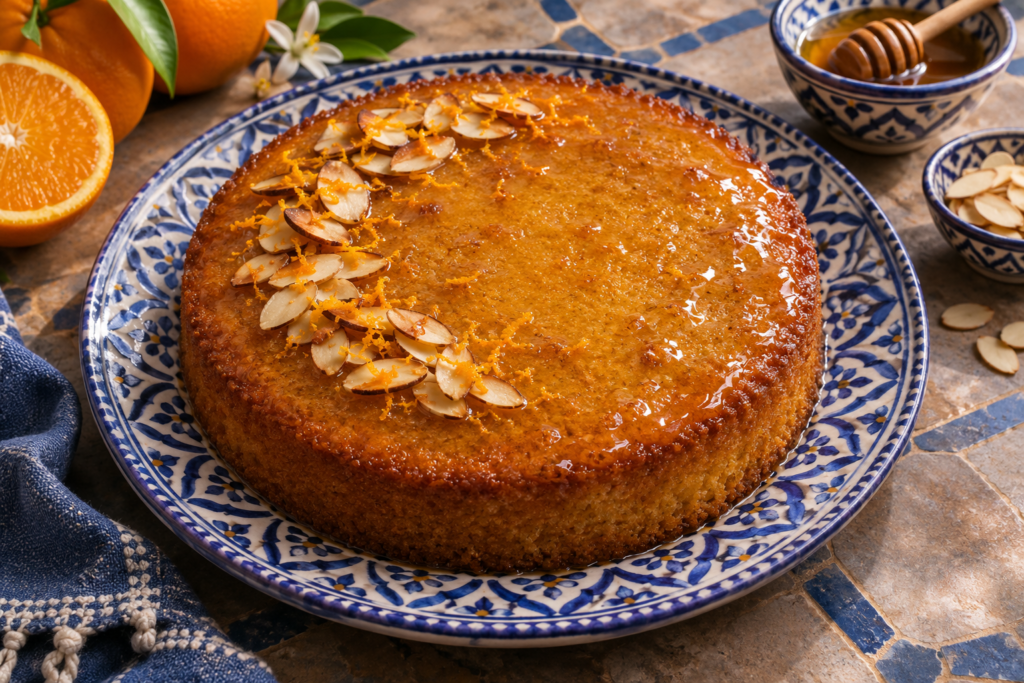
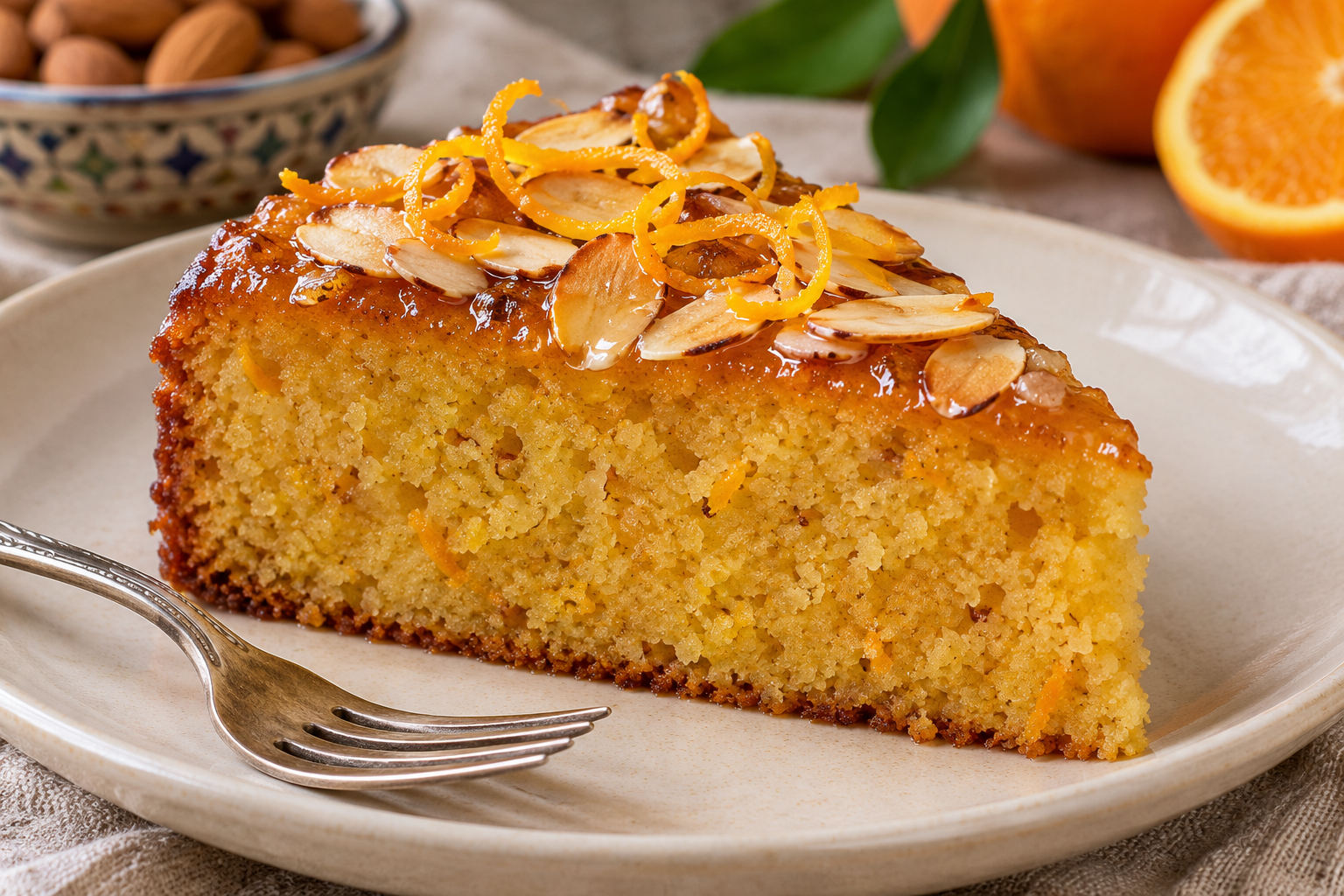
Moroccan orange almond cake with honey glaze is a fragrant, golden dessert made with fresh orange juice, finely ground almonds and a delicate touch of orange blossom water. Its tender crumb and glossy citrus topping make it a lovely choice for afternoon tea, holiday gatherings or a simple family dessert. You do not need elaborate decorating skills or a special cake pan to bring this Moroccan-inspired treat to your table.
Oranges, almonds and honey are familiar flavors in Moroccan sweets. This recipe combines them in a contemporary single-layer cake designed for an American home kitchen. Rather than presenting it as a traditional regional specialty, think of it as a celebration of Moroccan flavors in an accessible everyday bake. Winter citrus makes it particularly appealing during the Thanksgiving and Christmas season, when bright, fresh desserts offer a welcome contrast to richer chocolate and cream-based treats.
Why you will love this Moroccan orange almond cake
Fresh orange zest gives the batter its distinctive fragrance, while almond flour lends richness and a pleasantly tender texture. A modest amount of orange blossom water adds a floral note that complements the honey without overwhelming the cake. The glaze is brushed onto the baked cake while it is still slightly warm, allowing some of the citrus syrup to soak into the surface.
This dessert is also easy to serve. It needs no buttercream, piping bags or complicated assembly. A few toasted sliced almonds make the top look inviting, and the cake travels well once cooled. If you enjoy citrus desserts, explore our lemon blueberry cake for another fruit-forward baking idea.
Recipe at a glance
- Preparation time: 20 minutes
- Baking time: 35–45 minutes
- Cooling time: approximately 45 minutes
- Total time: approximately 1 hour 50 minutes
- Servings: 10 slices
- Equipment: 9-inch (23 cm) round cake pan, parchment paper, mixing bowls, whisk, fine grater and pastry brush
Ingredients for Moroccan orange almond cake with honey glaze
For the cake
- 1 cup all-purpose flour (125 g)
- 1 cup fine blanched almond flour (96 g)
- 2 teaspoons baking powder (8 g)
- 1/4 teaspoon fine salt (1.5 g)
- 3 large eggs, about 150 g without shells
- 3/4 cup granulated sugar (150 g)
- 1/2 cup neutral vegetable oil (120 mL)
- 1/2 cup freshly squeezed orange juice (120 mL)
- 2 tablespoons finely grated orange zest (approximately 12 g)
- 1 teaspoon vanilla extract (5 mL)
- 1/2 teaspoon food-grade orange blossom water (2.5 mL), optional
For the honey orange glaze
- 1/4 cup honey (85 g)
- 3 tablespoons fresh orange juice (45 mL)
- 1 teaspoon lemon juice (5 mL)
- 1/4 cup sliced almonds (23 g), toasted
Ingredient notes
Choose fresh, fragrant oranges with firm skins. Navel oranges are convenient because they are usually seedless and easy to zest. Wash and dry the fruit before grating it, taking care to remove only the colored surface. The white pith underneath can give the cake an unwanted bitter taste. You will generally need two or three oranges, depending on their size and juiciness.
Fine blanched almond flour is preferable to coarse almond meal for a uniform crumb. All-purpose flour provides additional structure, so this particular recipe is not gluten-free. Weighing both flours is the most reliable approach, especially because almond flour can settle in a measuring cup. Use a neutral oil such as canola or sunflower oil if you want the citrus and almonds to remain the dominant flavors.
Orange blossom water is optional but adds a distinctive Moroccan-inspired aroma. Different brands vary in strength, and a little goes a long way. Use culinary orange blossom water rather than a cosmetic fragrance product. A mild honey works well in the glaze; strongly flavored varieties can compete with the fresh orange.
How to make Moroccan orange almond cake in 7 easy steps
1. Prepare the pan and oven
Preheat the oven to 350°F (175°C). Lightly grease a 9-inch round cake pan, line its base with parchment paper and grease the parchment. Set the oven rack in the center. Preparing the pan first lets you transfer the batter promptly once the baking powder has been mixed with the wet ingredients.
2. Combine the dry ingredients
Whisk the all-purpose flour, almond flour, baking powder and salt together in a medium bowl. Break up any clumps of almond flour with the whisk. Distributing the baking powder evenly helps avoid dense areas and uneven rising. Set the mixture aside while preparing the wet ingredients.
3. Release the orange aroma
Place the sugar and orange zest in a large mixing bowl. Rub them together with clean fingertips until the sugar looks slightly damp and smells fragrant. This simple technique releases aromatic oils from the zest and distributes them through the batter. Add the eggs and whisk for two to three minutes, until the mixture looks lighter and slightly foamy.
4. Mix the batter
Gradually whisk in the oil, followed by the orange juice, vanilla and optional orange blossom water. Add the dry ingredients in two additions, folding gently with a spatula just until no dry streaks remain. Scrape the bottom of the bowl to catch any pockets of flour. Avoid prolonged mixing, which can make the wheat flour portion of the batter develop too much gluten.
5. Bake until golden
Pour the batter into the prepared pan and smooth the top. Bake for approximately 35–45 minutes. Start checking at 35 minutes because oven temperatures and pan materials differ. The center should spring back lightly when touched, and a wooden skewer inserted in the middle should emerge clean or with a few moist crumbs, not wet batter. If the top browns too quickly, loosely cover it with foil near the end of baking.
6. Prepare the honey orange glaze
While the cake bakes, combine the honey, orange juice and lemon juice in a small saucepan. Warm gently over low heat, stirring until the honey dissolves. Simmer for one to two minutes, then remove from the heat. Toast the sliced almonds separately in a dry skillet over medium-low heat, stirring frequently until lightly golden. Transfer them to a plate immediately to prevent burning.
7. Glaze, decorate and cool
Let the cake cool in its pan for about 15 minutes. Run a thin knife around the edge, turn the cake onto a rack and remove the parchment. Turn it right side up on a serving plate. Brush the warm honey glaze over the surface in several thin layers, allowing each to absorb slightly before adding the next. Sprinkle with toasted almonds and let the cake cool completely before slicing. Serve with extra orange segments if desired.
Tips for a tender, moist orange almond cake
Bring the eggs to room temperature briefly before mixing so they combine more easily with the oil. Do not leave them out for extended periods. Measure the flour accurately, preferably with a kitchen scale. Too much flour is a common reason cakes become dry, and the two flours in this recipe have different densities.
Resist the temptation to add more orange juice than the recipe specifies. Additional liquid can change the structure of the cake and make the center difficult to bake through. For a stronger orange flavor, a little extra zest is a better adjustment. Keep the orange blossom water modest, since its floral character can become overpowering.
Use a pastry brush instead of pouring the entire glaze over one spot. Thin coats distribute the syrup more evenly and give the almonds a slightly sticky surface to cling to. If you prefer a less sweet dessert, use only part of the prepared glaze and serve the remainder separately. Let the cake cool before cutting so the crumb has time to settle.
Substitutions and creative variations
For a spiced winter cake, add a quarter teaspoon of ground cardamom or cinnamon to the dry ingredients. Cardamom pairs especially nicely with orange and honey, as in our orange cardamom French toast with honey yogurt. A small amount of lemon zest can give the cake a sharper citrus fragrance, while blood oranges can offer a colorful garnish when available.
If you do not have honey, maple syrup can be used in the glaze, although the flavor will be different and less characteristic of this Moroccan-inspired version. You can skip the orange blossom water entirely without replacing it. The fresh zest and juice are enough to give the cake its main citrus character.
For a more festive presentation, arrange a few thin fresh orange slices beside the cake immediately before serving. Avoid covering a cake intended for room-temperature storage with fresh fruit, whipped cream or yogurt. Those toppings are best added to individual portions and kept refrigerated until needed. This recipe contains eggs, wheat and almonds; it is not suitable for people with relevant allergies. Substituting almond flour with another flour would require reformulating the batter rather than making a simple one-for-one swap.
Serving ideas for holidays and afternoon tea
Serve a slice with Moroccan-style mint tea, unsweetened black tea or coffee. For a dinner party, a spoonful of plain Greek yogurt and a few fresh orange segments can add a refreshing contrast. The cake is rich enough to feel special without heavy frosting, making it a practical choice after a substantial meal.
For a dessert table, cut the cake into ten narrow wedges and arrange them on a platter with the almonds facing upward. Pair it with another citrus dessert such as our lemon crumb bars or a creamy ricotta cheesecake. The different textures provide variety without requiring complicated decorations.
How to store and freeze orange almond cake
Allow the plain glazed cake to cool completely before covering it. Store in an airtight container in a cool, dry room for up to two days, or refrigerate for up to four days. If the room is particularly warm, refrigerate sooner. Cakes served with fresh dairy toppings should be refrigerated promptly, within two hours of serving or one hour above 90°F (32°C).
For longer storage, wrap individual cooled slices tightly and freeze in a freezer-safe container for up to two months for best quality. Thaw in the refrigerator overnight or unwrap and allow an individual plain slice to come to room temperature before serving. Add fresh garnishes after thawing. The toasted almond topping may lose some crispness during storage, so you can reserve part of it for serving.
Frequently asked questions
Is Moroccan orange almond cake gluten-free?
No. This version contains both almond flour and all-purpose wheat flour. A gluten-free version needs a suitable tested flour formulation to maintain its structure.
Can I make the cake without orange blossom water?
Yes. Simply omit it. The fresh orange zest, juice and honey glaze still provide plenty of flavor.
Can I use bottled orange juice?
Unsweetened bottled orange juice can work, but fresh juice and zest generally provide a brighter flavor. Avoid sweetened orange drinks, which change the balance of sugar and acidity.
Why did my cake sink in the middle?
Possible causes include underbaking, excessive liquid, opening the oven too early or inaccurate measurements. Check the baking powder, measure the ingredients carefully and use a skewer to confirm the center is fully baked.
Can I bake this cake a day ahead?
Yes. Cool and glaze the cake, then store it covered. Add freshly toasted almonds shortly before serving if you want the crispest topping. Refrigerate any dairy or fresh fruit accompaniments separately.
A little Moroccan sunshine for your dessert table
Moroccan orange almond cake with honey glaze brings together simple pantry ingredients, winter citrus and the fragrant flavors of Moroccan-inspired baking. Its golden finish makes it a beautiful centerpiece for a holiday gathering, yet its straightforward preparation is equally suitable for a quiet afternoon at home. Enjoy it with tea, share a slice with friends, and let the fresh orange and honey do the decorating.